Lokrum
History
Natural Values
Cultural Heritage
Historical Gardens
Animal world
Legends
For Visitors
Souvenir Shop and Visitor Centre
Tours
Gallery
News
Contact
en
hr
Tickets
Animal world

Animal world

Inhabitants of Lokrum – Free and Unique

FAUNA

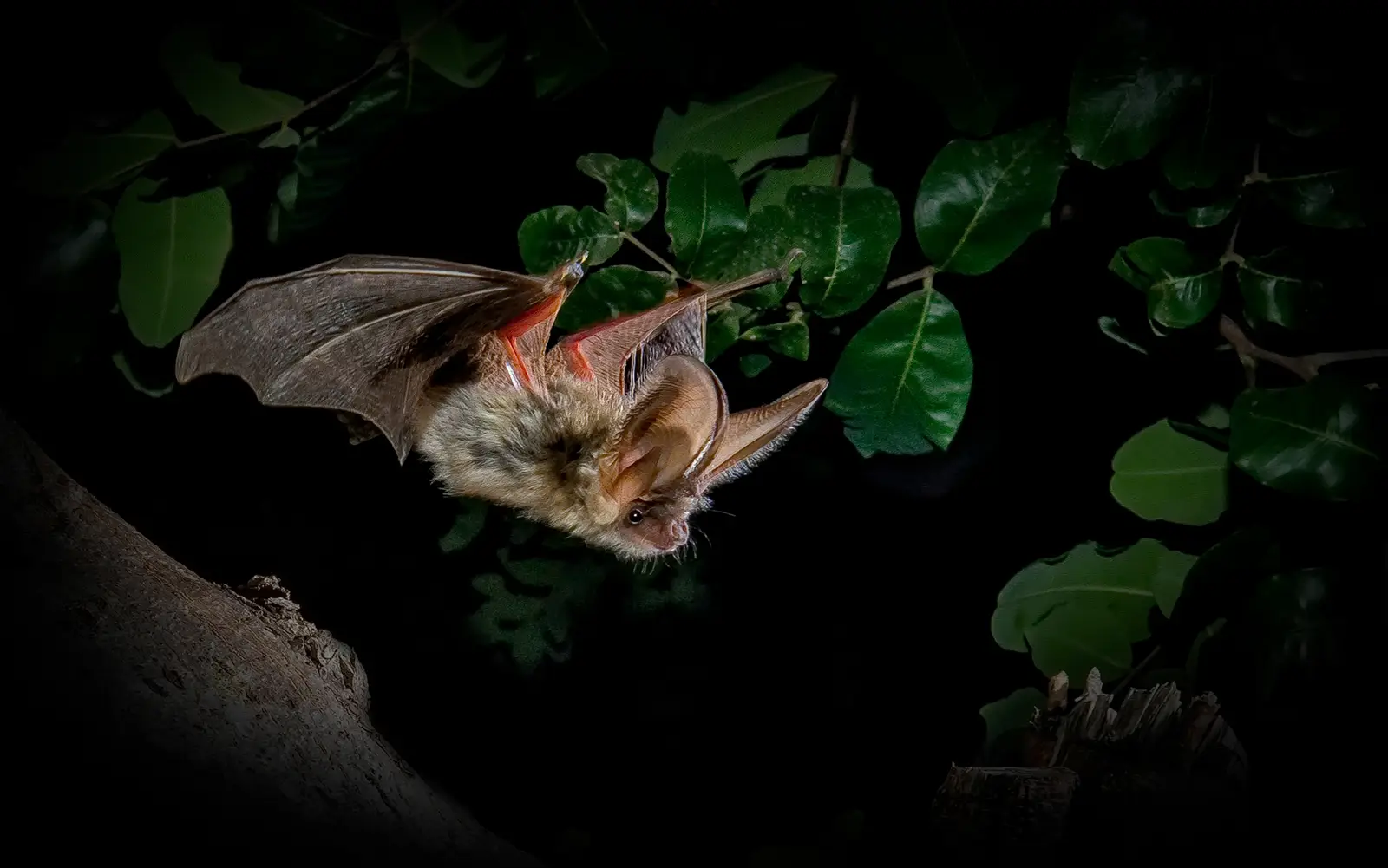
Bats

Bats, and thus their colonies, are protected by national and EU legislation. The island of Lokrum is an ideal habitat for a number of species of bats, given the wealth of forest habitats, three open water areas, numerous natural and artificial shelters (buildings), as well as the silence and lack of lighting and human activities during the night. For most species of bats, Lokrum is an oasis in Croatia, which is otherwise characterized by urbanization, heavy traffic, artificial lighting at night and noise created by humans. A total of 14 of the 33 bat species recorded in Croatia were found on Lokrum, which is an extremely high biodiversity of bats for an island area of ​​only 0.7 km². Studies have confirmed the presence of maternity colonies of the Kolombatovic's long-eared bat (Pl. kolombatovici) and the lesser horseshoe bat (Rhinolophus hipposideros) in the attics of the Benedictine monastery, while also present are species such as the Savi's pipistrelle (Hypsugo savii), the common bent-wing bat (Miniopterus schreibersii), the whiskered bat (Myotis mystacinus/aurascens), the Natterer's bat (Myotis nattereri), the common noctule (Nyctalus noctula), the Kuhl's pipistrelle (Pipistrellus kuhlii), the Nathusius's pipistrelle (Pipistrellus nathusii), the greater horseshoe bat (Rhinolophus ferrumequinum) and the European free-tailed bat (Tadarida teniotis).

Photo: Boris Krstinić
Bats

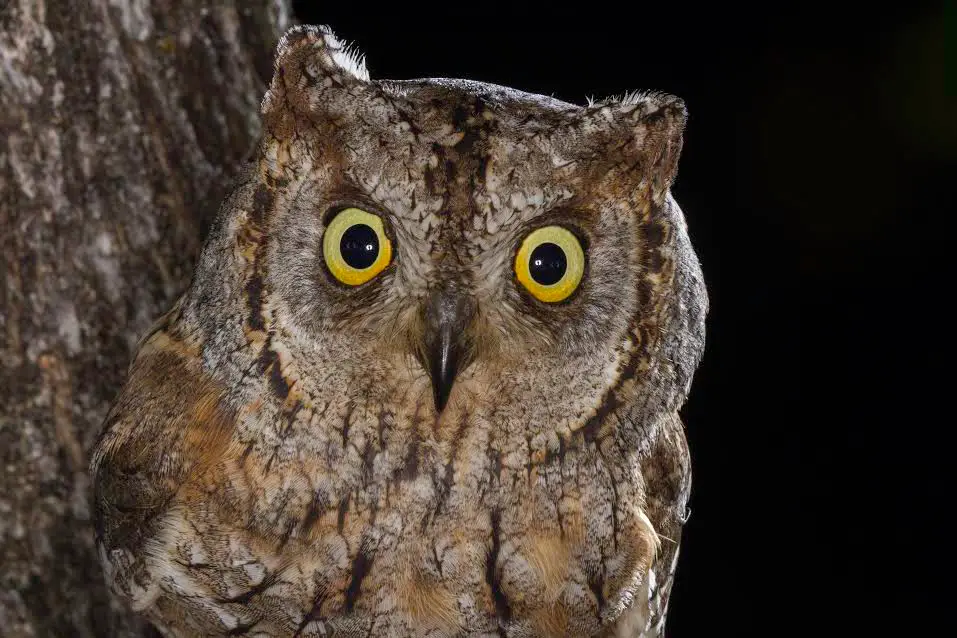
Scops Owl

To date, 52 bird species have been recorded on Lokrum, some of which nest regularly on the island, while others are migratory, wintering, or passing species.
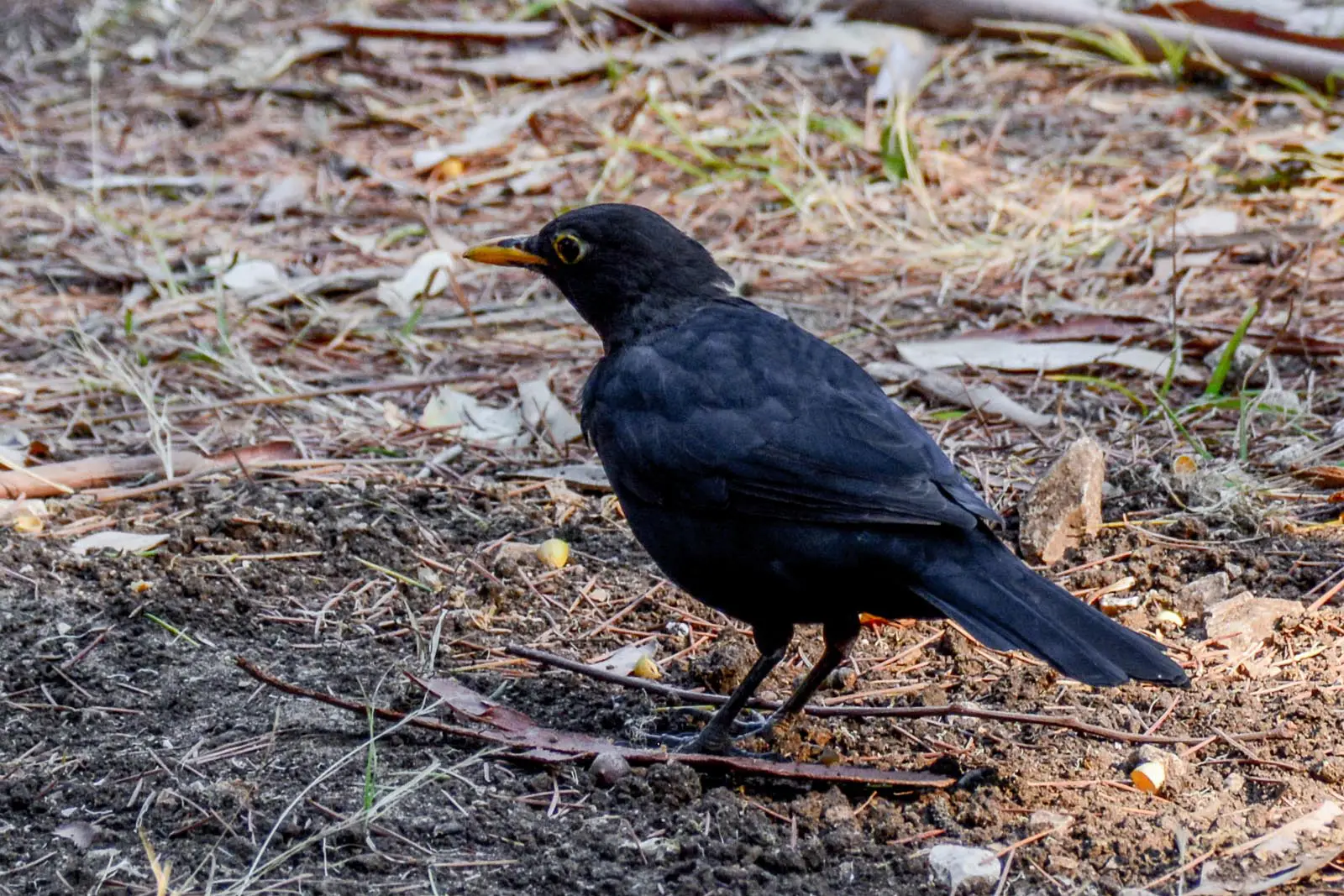
 Among the permanent nesting birds are species such as the Eurasian eagle-owl, chaffinch, blackbird, and hooded crow, while among the migratory nesters, particularly notable are the Eurasian scops owl, barn swallow, and common swift.
 Recorded wintering species include the goshawk, common buzzard, and European robin, while Lokrum is also important for passing birds, with rare species such as the squacco heron and short-toed snake eagle being observed.
 The most important nesting areas are located in the Vela and Mala caves on the southern part of the island, home to species such as the common swift and Eurasian eagle-owl, as well as on the rocky slopes of northwestern Lokrum.

Photo: Boris Krstinić

Scops Owl

Birds

On Lokrum Island, 52 species of birds have been recorded, of which 12 are resident nesting birds: the Eurasian sparrowhawk (Accipiter nisus), the Eurasian eagle-owl (Bubo bubo), the European greenfinch (Chloris chloris), the rock dove (Columba livia), the hooded crow (Corvus cornix), the chaffinch (Fringilla coelebs), the Eurasian wryneck (Jynx torquilla), the white wagtail ( (Motacilla alba), an allochthonous species – the common peafowl (Pavo cristatus), the Eurasian blackcap  (Sylvia atricapilla), the Sardinian warbler (Sylvia melanocephala) and the Eurasian blackbird (Turdus merula). Of migratory nesting birds, species such as the common swift (Apus apus), the pallid swift (Apus pallidus), the barn swallow (Hirundo rustica), the nightingale (Luscinia megarhynchos) and the Eurasian scops owl (Otus scops) have been recorded. Wintering birds have also been recorded, such as the northern goshawk (Accipiter gentilis), the common buzzard (Buteo buteo), the European robin (Erithacus rubecula), and others, as well as passage migrants – the squacco heron (Ardeola ralloides), the European snake-eagle (Circaetus gallicus), the common cuckoo (Cuculus canorus) and others, in addition to two migration birds – the European honey buzzard (Pernis apivorus) and the western rock nuthatch (Sitta neumayer).

Birds

Reptiles

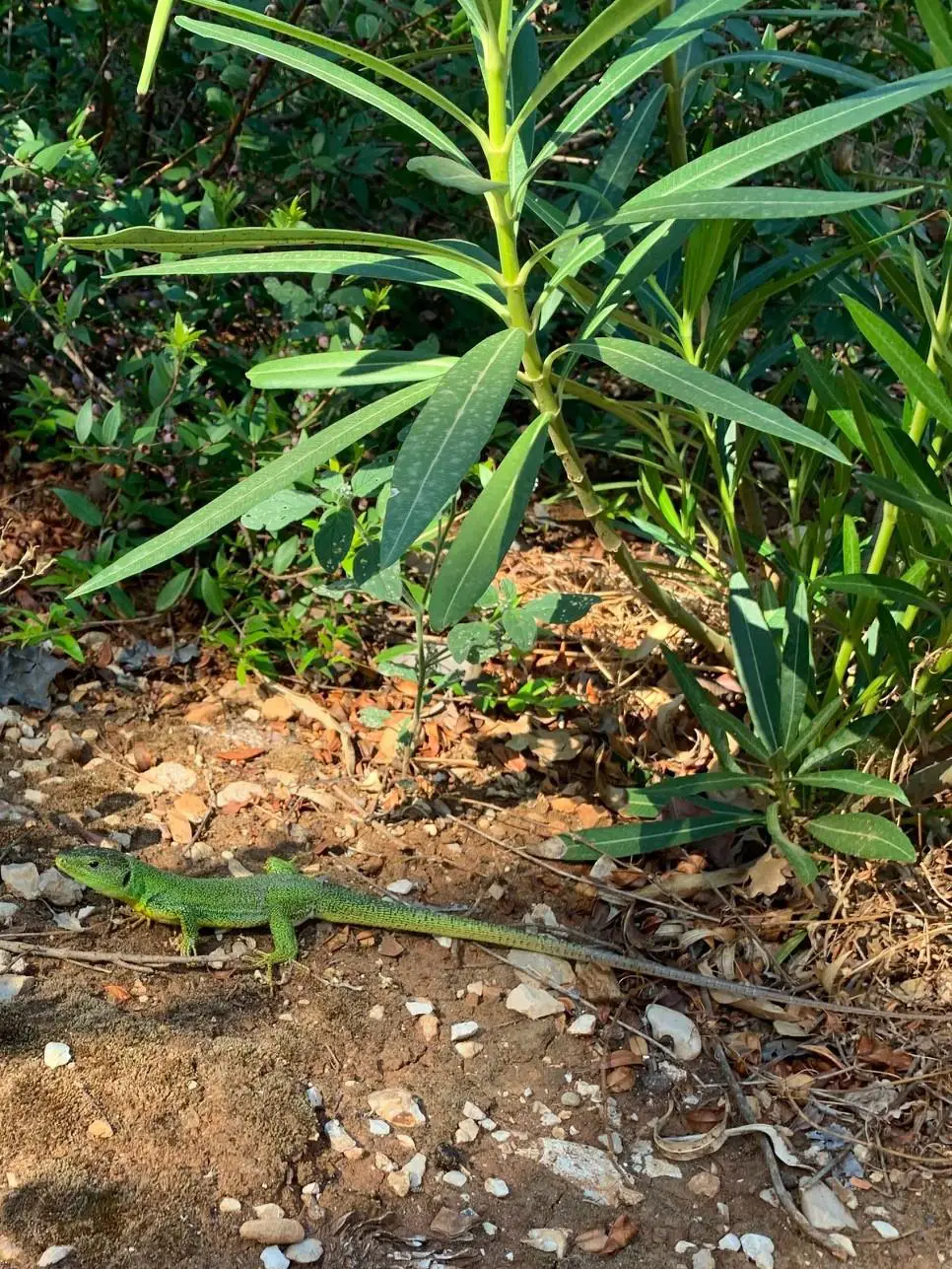
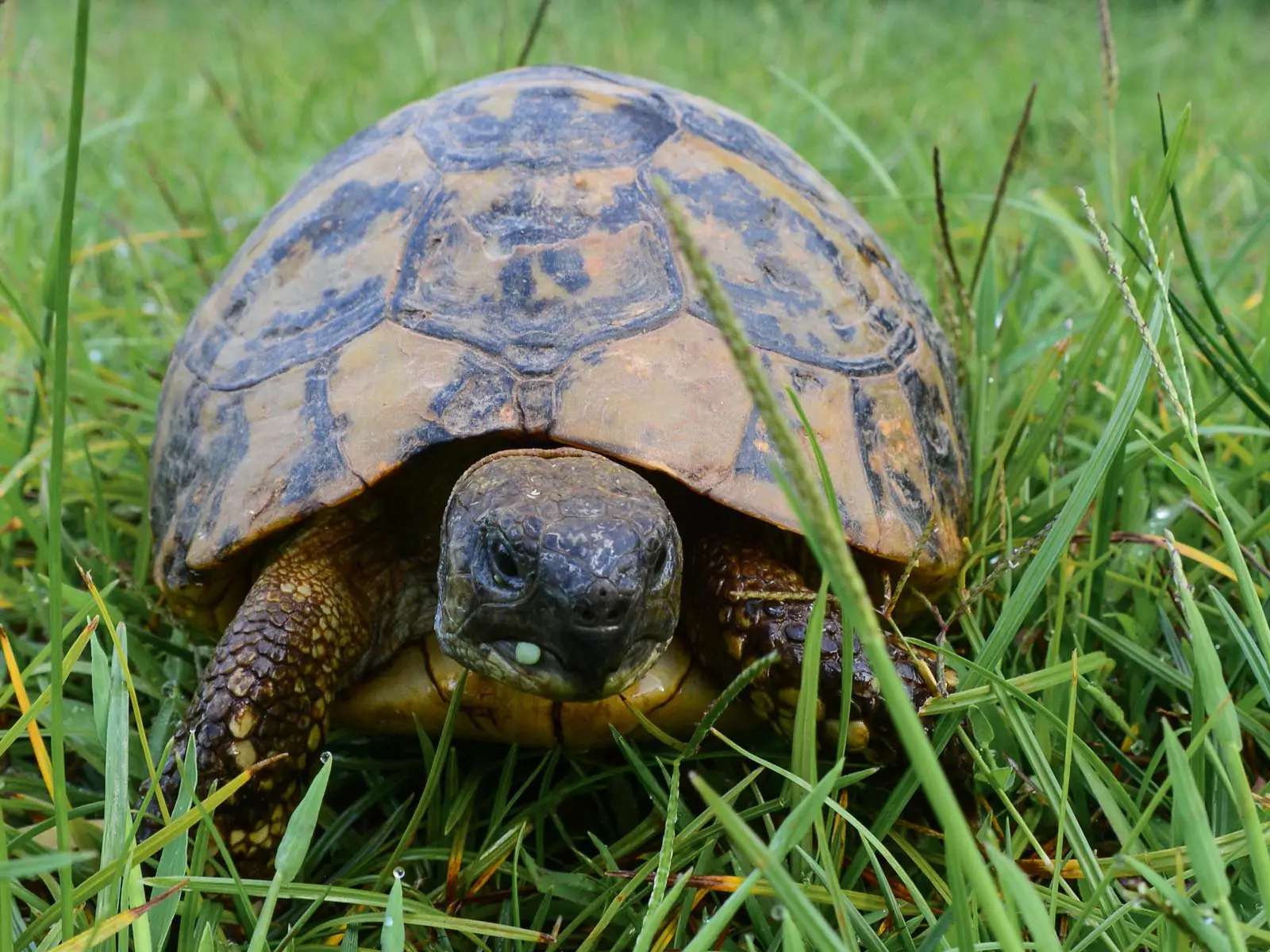
Harmless snakes are present on Lokrum: the slender whip snake (Platyceps najadum) and the Balkan whip snake (Hierophis gemonensis), which are, however, very rarely seen. There are also species such as Hermann's tortoise (Testudo hermanni), the Balkan green lizard (Lacerta trilineata) and the Mediterranean house gecko (Hemidactylus turcicus).

Reptiles

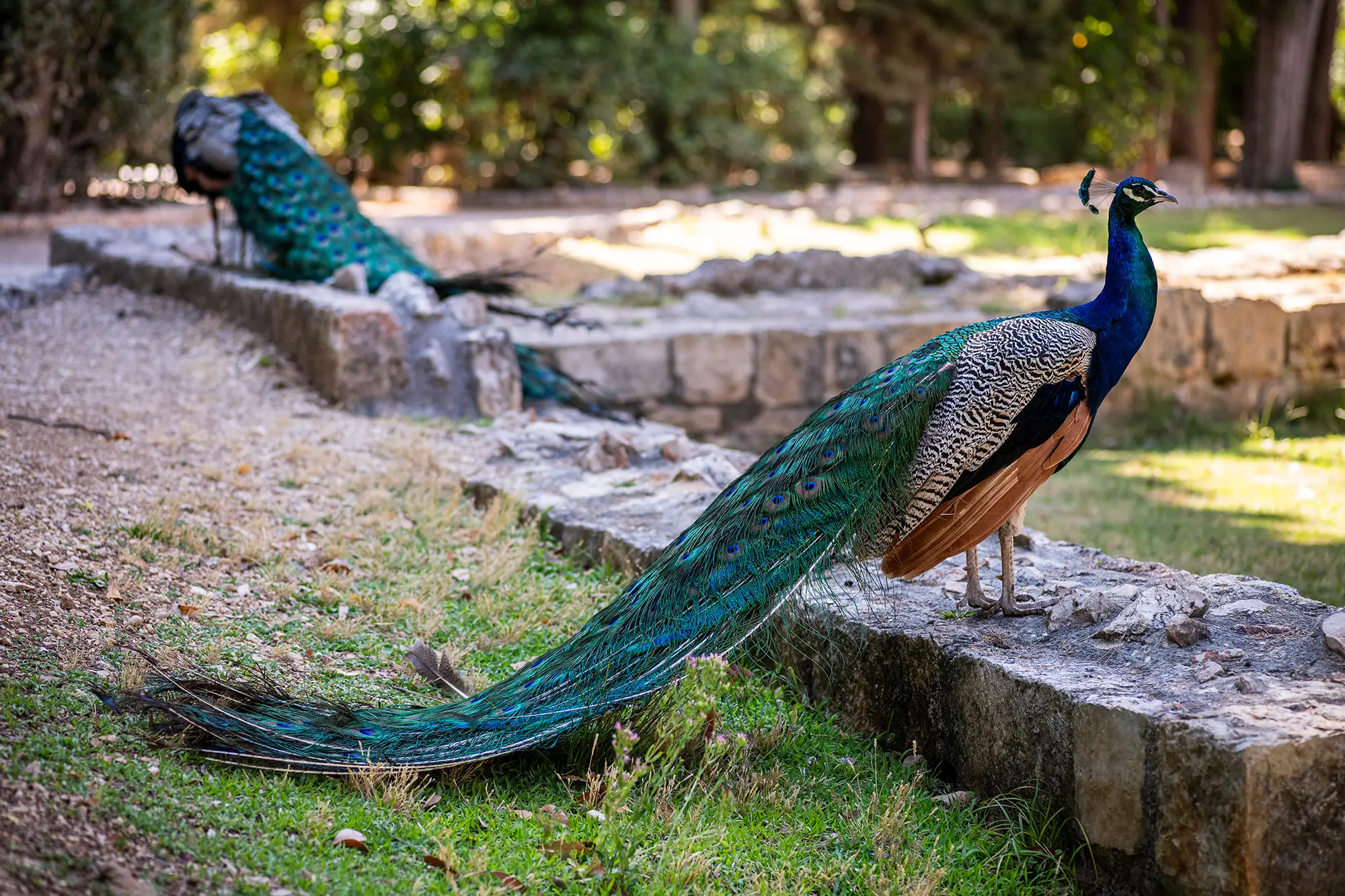
Peacocks

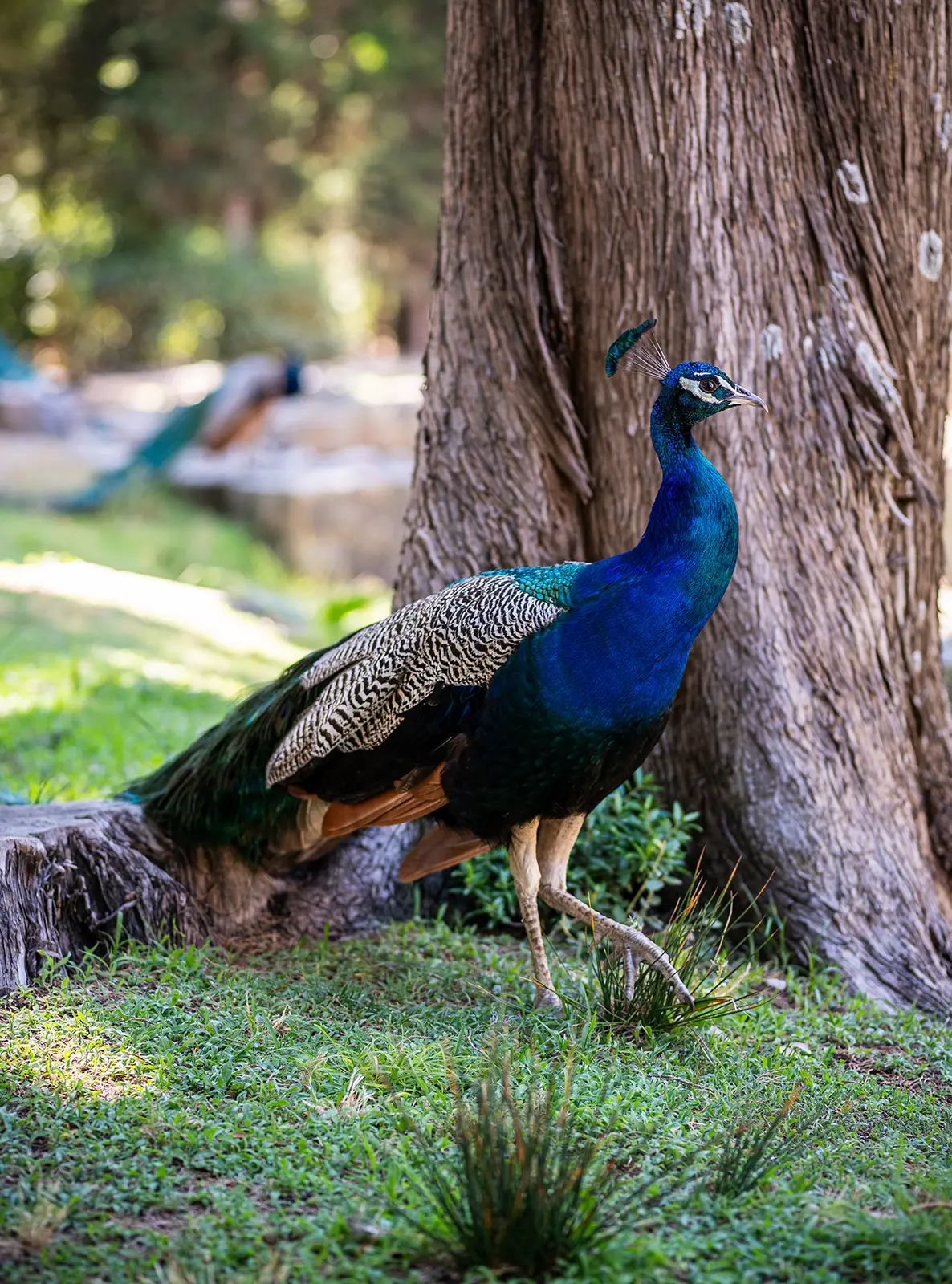
Today, Lokrum Island is home to a population of Indian peafowl (Pavo cristatus), introduced in the mid-19th century, most likely during the stay of Archduke Maximilian of Habsburg. Since then, they have become a visible and recognizable part of the island’s visual identity, often attracting the attention of visitors. Although they are attractive and unusual inhabitants of the island, peafowl are an allochthonous species — one not naturally found in Mediterranean ecosystems. Their presence on the island is therefore also viewed in the context of preserving biodiversity and managing natural values. Due to their long history on Lokrum, they are considered an accepted part of the landscape, but with continuous monitoring of their impact and the need to align with the nature protection objectives of this protected area.

Peacocks

ENTOMOFAUNA

Butterflies

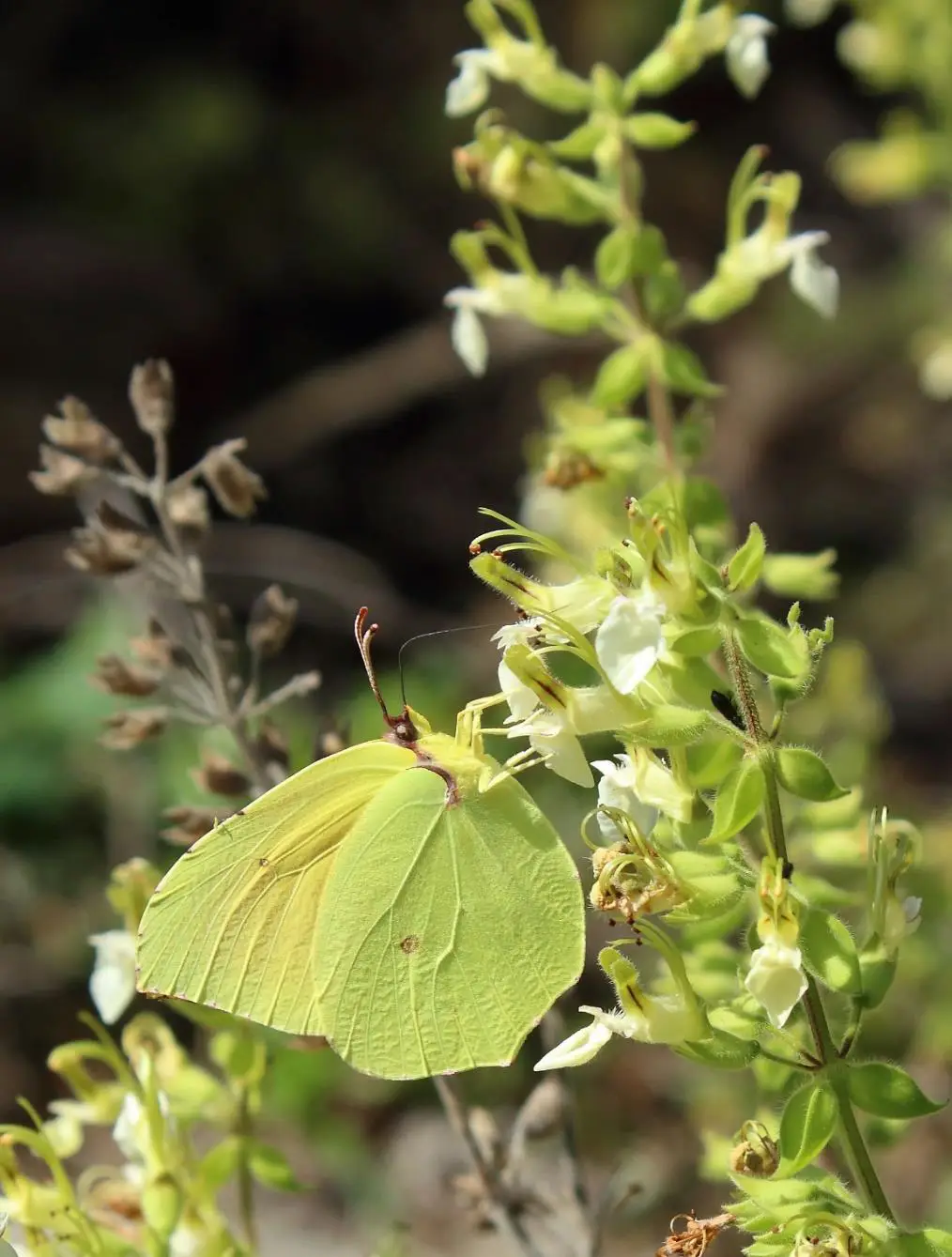
On Lokrum Island, 212 species of diurnal and nocturnal butterflies have been recorded, of which 18 belong to diurnal butterflies. All recorded species are typical of the southern Adriatic islands. Forested Lokrum is most suitable for forest species and forest edge species such as the speckled wood (lugara (Pararge aegeria), the eastern rock grayling (Hipparchia syriaca) and the southern white admiral (Limenitis reducta). These three species are very common and widespread on the island. In the coastal areas we also find the two-tailed pasha (Charaxes jasius), one of our largest and most colourful diurnal butterflies. Of the Mediterranean species, the island is inhabited by the Cleopatra (Gonepteryx cleopatra), the pea blue (Lampides boeticus) and the mountain small white (Pieris ergane). We can also meet the occasional common yellow swallowtail (Papilio machaon), the clouded yellow (Colias croceus), the red admiral (Vanessa atalanta) and the painted lady (Vanessa cardui). The presence of the purple hairstreak (Favonius quercus) is significant, given that there are only a few recent finds of this species in the Dubrovnik-Neretva County.

Butterflies

Beetles

On Lokrum Island, 72 species of beetles have been recorded, most of which are ladybugs (Coccinellidae), leaf beetles (Chrysomelidae) and long-horned beetles (Cerambycidae).

Beetles

Orthoptera

Of the Orthoptera on Lokrum, a total of 16 species have been found so far, of which just 7 live only outside the forests, while for four of the species this is the first time they were recorded in the area of the City of Dubrovnik. Four species of grasshoppers are also found (Acrotylus patruelis, Oedipoda caerulescens, Pezotettix giornae and Chorthippus bornhalmi) (Tvrtković 2016).

Orthoptera

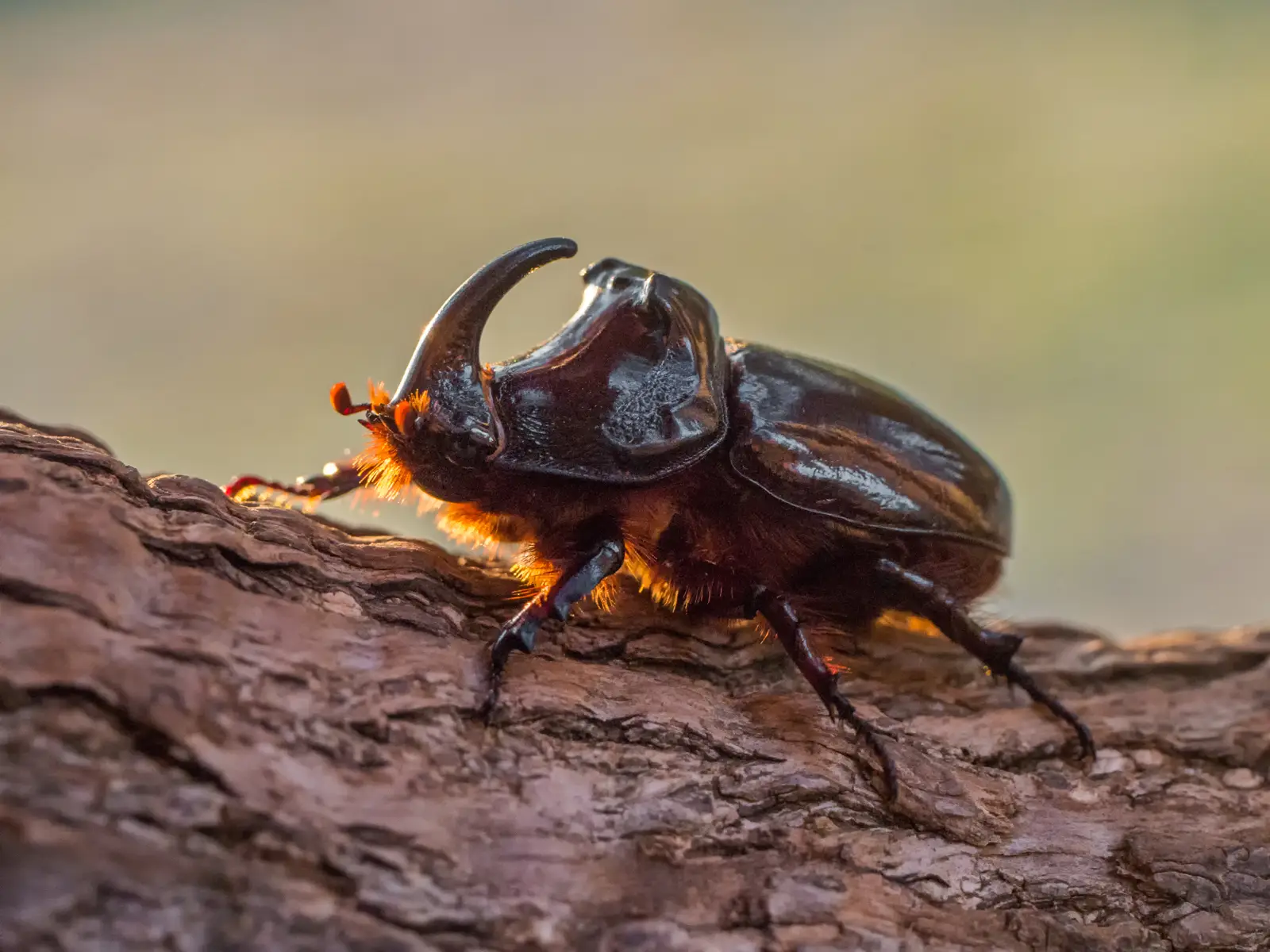
European rhinoceros beetle

The beetle fauna (Coleoptera) of Croatia has been studied since the late 17th and early 18th centuries, yet it still remains largely unknown.
 As for Lokrum Island, data on beetles have so far been published in only eight publications, with a total of 50 recorded species (Durbešić, 1973; Durbešić & Đulić, 1989; Kovačević, 1971; Müller, 1916, 1921; Novak, 1952, 1964, 1970). During research conducted in 2017, an additional 22 species previously unrecorded on Lokrum were identified. This brought the total number of known beetle species on the island to 72, with the most represented groups being lady beetles (Coccinellidae), leaf beetles (Chrysomelidae), and longhorn beetles (Cerambycidae).

Photo: Boris Krstinić

European rhinoceros beetle
Public Institution Lokrum Reserve
Address: Vukovarska 8, p.p. 64, 20 000 Dubrovnik
OIB: 09038784691
MB: 3303462
Contact
Tel: +385 20 311-738
E-mail: info@lokrum.hr
More Contacts
Ticket Sales, Issuance and Renewal of Passes
Working Hours 8:30 - 17:00h (Mon - Sun)
E-mail: prodaja@lokrum.hr
Lokrum
2025 © Public Institution Lokrum Reserve
Privacy Policy
Conditions of sale and payment of tickets
Website by: Što Misliš?