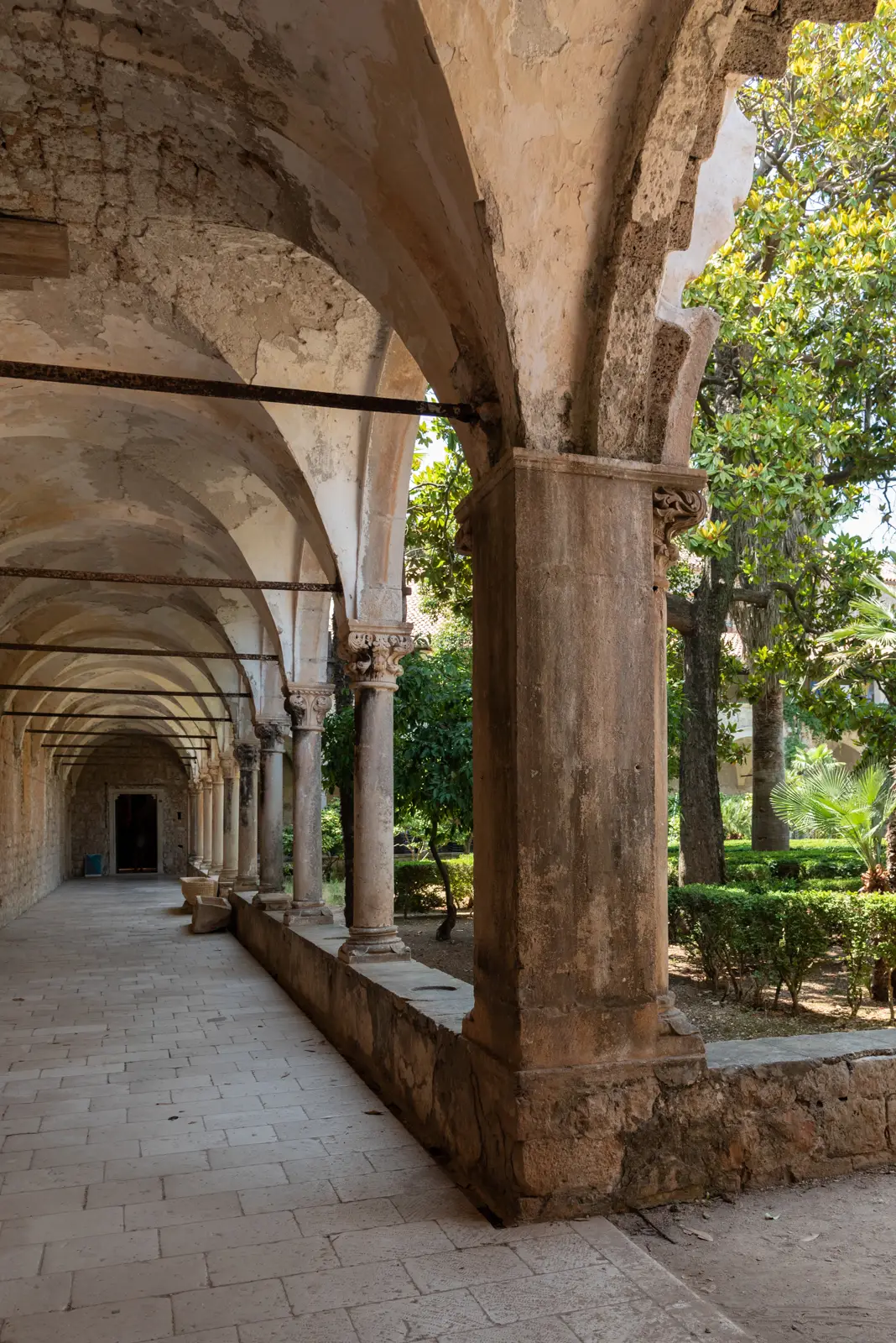
Lokrum Lazaretto
By the decision of the Dubrovnik Senate in 1534, the construction of a lazaretto, i.e., a quarantine hospital, began on Lokrum Island. The Great Plague Pandemic, of the so-called Black Death, spread to the city of Dubrovnik in the 14th century, after the first case was recorded on the island of Šipan. The Dubrovnik authorities were not allowed to stop trading by closing the port and severing contacts with the outside world. As the people of Dubrovnik tried to continue trading, a decision was made to keep people, cattle, ships and goods in temporary isolation before they arrived in the City. In 1377, the Grand Council decided to establish quarantine at several sites in the area of Dubrovnik and its surroundings.
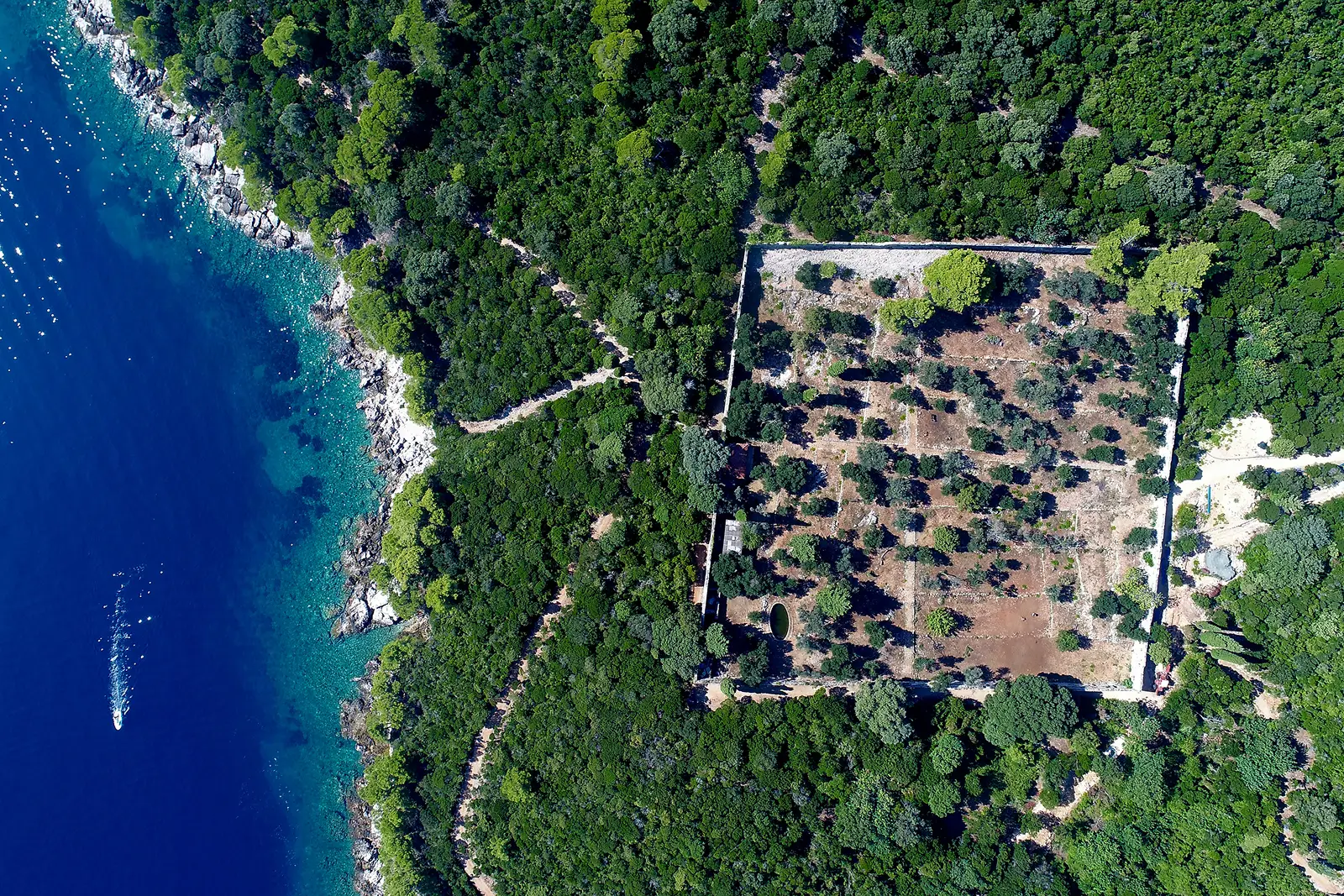
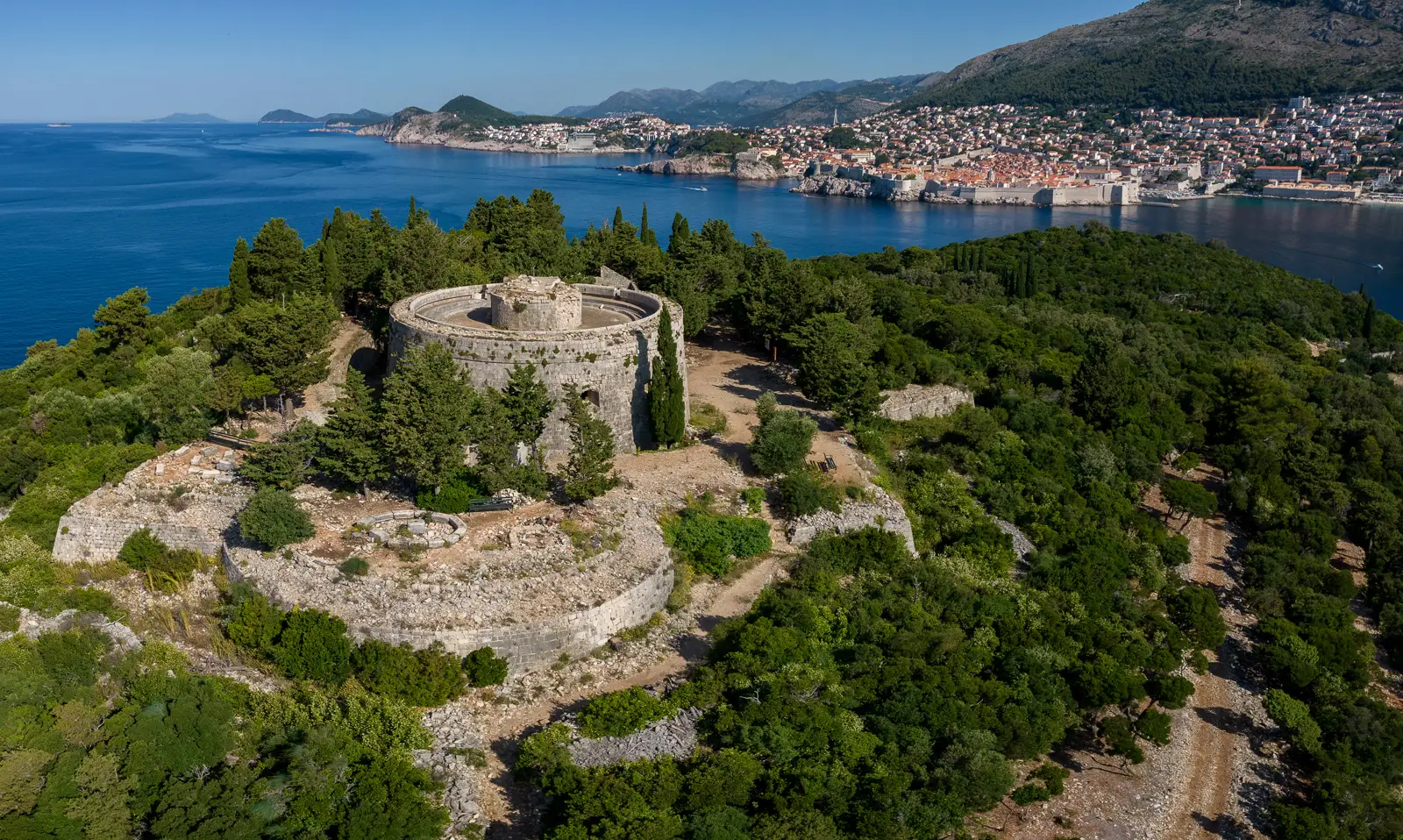
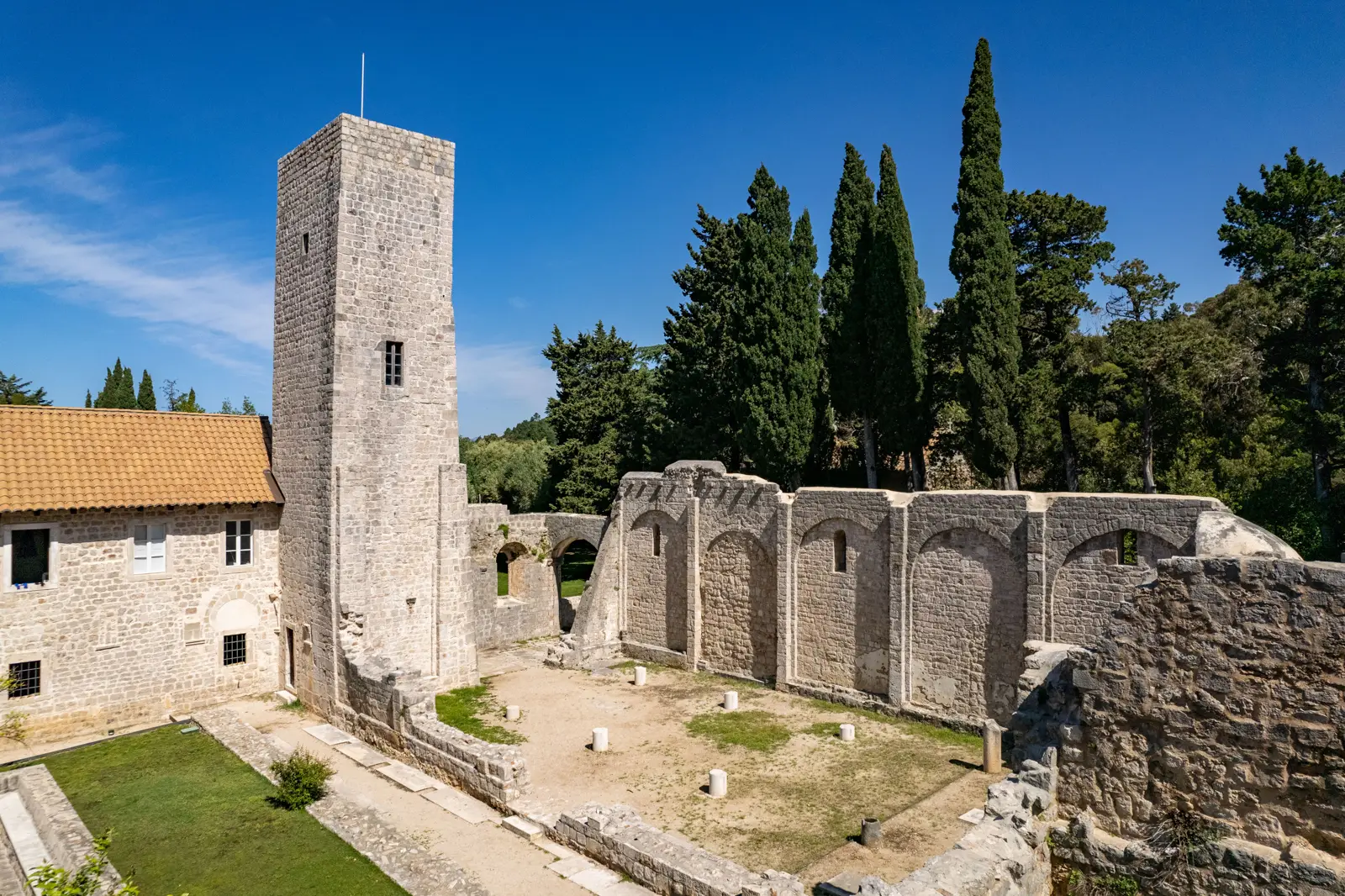
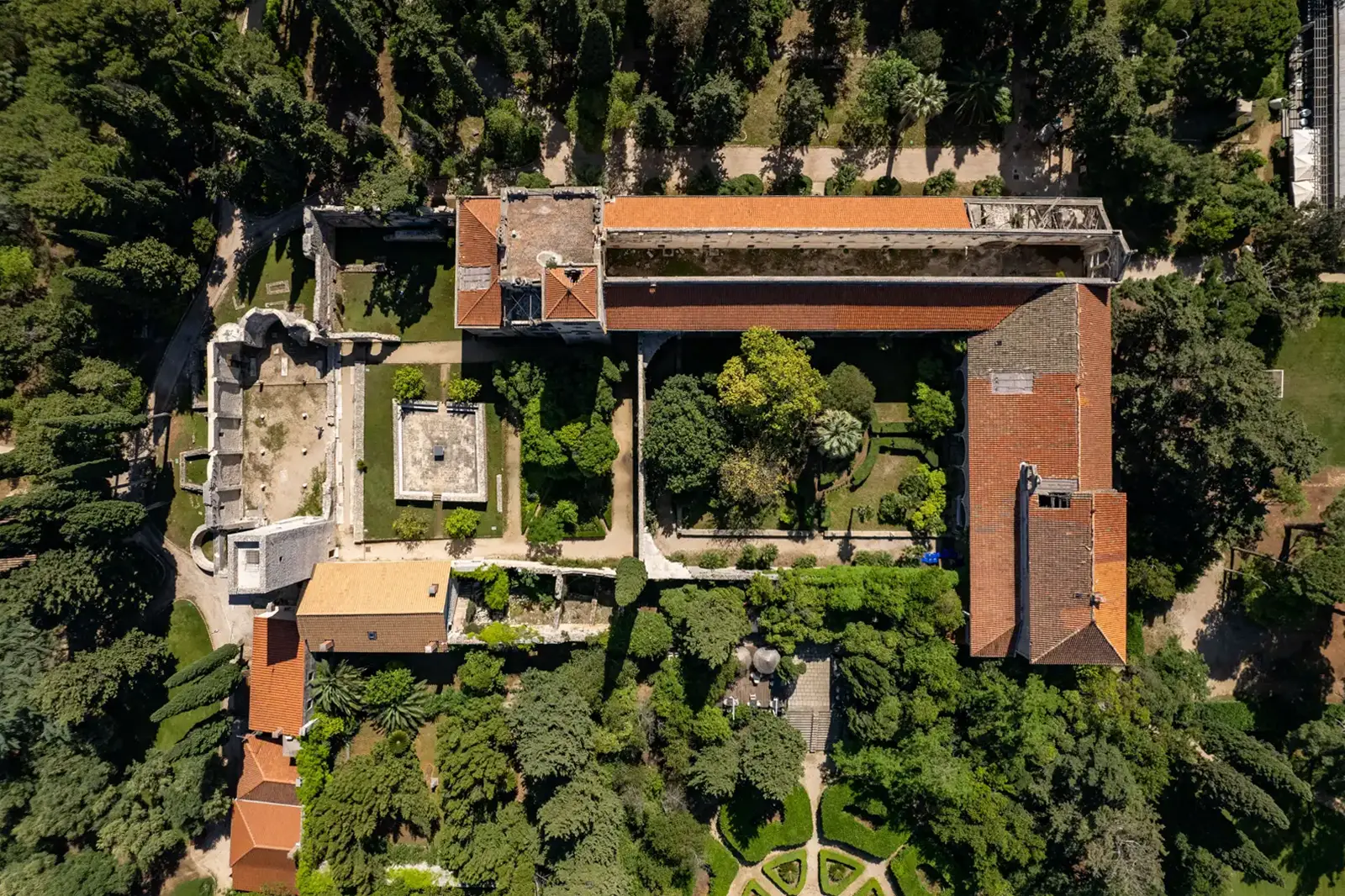
The Lokrum lazaretto was never completed, and its remains are still visible today. The double walls in the shape of a square fortress, one hundred meters long and about four meters high, had small rooms inside for people to stay, with a separate fireplace in each. In the central courtyard was a well with drinking water. Above the north entrance door was an inscription: ¨With the money raised from the wills of pious people, erected by Dubrovnik senators in 1557. May Almighty God help make this work not perish.“ The door was walled up at the time of the construction of Fort Royal, and a new one was built in the east wall. Over time, the people of Dubrovnik realized that the lazaretto, if conquered, could serve as a strong stronghold for the enemy, from which the city and port could be endangered. In the meantime, lazarettos were built in Ploče in 1590, and were proved to be the most practical with time. In 1647, the Dubrovnik Senate made the decision to use the stone of the Lokrum lazaretto for the construction of city walls. In the area of the unfinished lazaretto, the Benedictines laid out an olive grove, and a new door was constructed in the east wall, next to which a house was built for the guard who lived in the olive grove.